The Hidden Psychological Cost of the “Fix Yourself” Mindset at Work
Self improvement is no longer just something we choose. It is increasingly built into how we work....

By: Maddie Senarath 29 January 2026
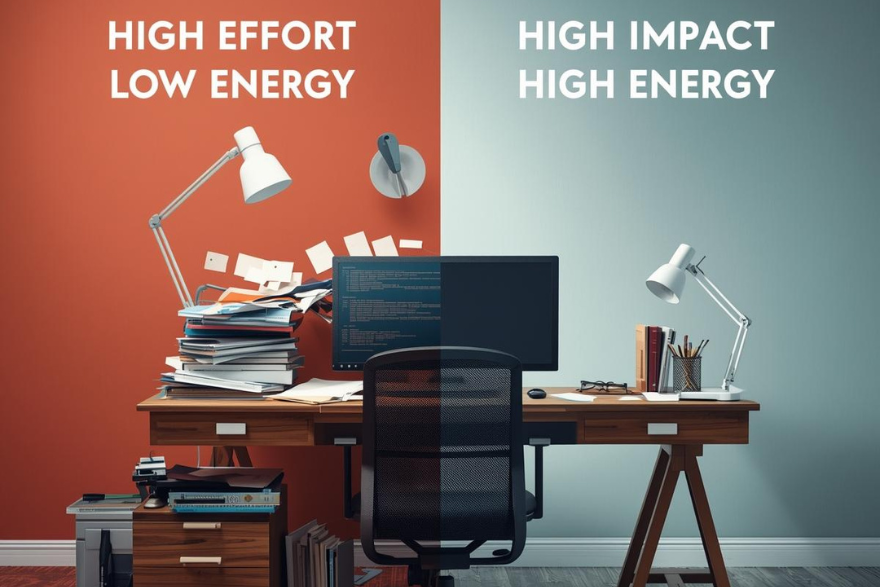
Energy often gets treated as a personal issue. In practice, energy is one of the clearest signals about work design.
Many teams have capable people delivering high-quality output while the energy cost keeps rising. Over time, that shapes focus, confidence, wellbeing, and retention. The opportunity is simple: use strengths data to design work that sustains performance.
A practical starting point is a strengths definition with an energy lens. In workplace terms, a strength is something you do well and that energises you. That energising component is where job crafting becomes powerful.
A well-known study from the Corporate Leadership Council (CLC) offers a clear signal for leaders: performance improves when development conversations focus on strengths, and performance drops when the focus sits mainly on weaknesses.
In that study, a strengths-focused approach was associated with a 36.4% performance lift over 12 months. A weaknesses-focused approach was associated with a 26.8% performance drop over the same period.
That is a performance story and a sustainability story. When people spend more time on energising work, they have more cognitive and emotional capacity for the harder parts of the role.
Action one: Map work by energy, alongside tasks
Start with a simple energy map for each role. Capture tasks and responsibilities, then add an energy rating.
Use three categories:
Gives energy
Steady energy
Costs energy
You can do this one-to-one in ten minutes. The value comes from the conversation that follows: where does the role rely on “costs energy” work, and where can “gives energy” work drive the highest-value outcomes.
Example
A manager is strong in stakeholder relationships and facilitation. Their calendar has become heavy on detailed reporting and admin. Keep the reporting steady and streamlined, and shift time towards facilitation and stakeholder work where value and energy rise together.
Action two: Shift learnt behaviours into “use when needed”
Learnt behaviours are tasks someone performs well while the energy cost stays high. These tasks often attract more work because performance looks strong on the surface.
A practical job-crafting move is to keep learnt behaviours available and reduce the volume and frequency.
Example
A leader writes excellent reports and feels drained afterwards. Use a shared template, set a fixed writing block, and follow it with energising strengths-based work such as coaching, facilitation, or strategic framing. Output stays strong, and energy stays steadier.
Action three: Dial up unrealised strengths through role design
Unrealised strengths are in the “hidden asset” category: you do them well; they energise you, and they get used less frequently than you would expect.
Leaders can bring unrealised strengths to the role in small ways:
Assign a project that needs that strength in the next sprint
Create a weekly block where that strength is used deliberately
Add a “strengths contribution” line into one-to-one agendas
Build a role pathway that uses the strength at higher leverage over time
Example
A team member has strong strategic awareness and idea generation, yet their role sits heavily in delivery and compliance work. Invite them into planning sessions early in a project cycle and give ownership of a short strategy draft. The team gets better thinking, and the person’s energy lifts.
Action four: Build strong partnerships inside the team
Job crafting becomes easier when the team uses strong partnerships, rather than relying on individual self-management.
A strengths partnership is a deliberate pairing where two people cover different energy patterns:
One person energised by planning and structure
Another energised by relationships and influence
Another energised by detail and adherence to process
This creates a team system where important work gets done by people who gain energy from it, and everyone learns to respect how energy supports sustainable performance.
Example
One person gets energy from adherence and processing. Another gets energy from client-facing facilitation. Align responsibilities so the process sits with the energised owner and facilitation sits with the energised owner. Handoffs become clearer, and delivery improves.
The Organisational Lens: Psychosocial Safety and Work Design
Psychosocial safety strengthens when teams have language for energy, workload, and sustainable contribution.
Strengths-based job crafting supports this by:
Making workload conversations specific and practical
Improving recognition so it feels genuine and evidence-based
Supporting capability development through the work itself
Creating clarity about what “good work” looks like for each role
This approach also supports leaders. When work design aligns with strengths, leaders spend less time managing friction and more time enabling performance.
Apply This in Practice: February and March Accreditations
Job crafting becomes easier when strengths conversations stay specific. Three signals matter most:
What someone does well
What gives energy
What outcomes the role and team need to deliver
If you want a structured way to apply that lens consistently, our upcoming accreditations provide evidence-based tools, clear debrief frameworks, and practical application you can use immediately.
Strengths Profile brings an energy lens to strengths work. It measures 60 workplace strengths across energy, performance and use, supporting clearer role conversations, stronger development planning, and more sustainable performance.
This accreditation is delivered virtually by our CEO and Founder Sue Langley, across four half-day workshops designed for interaction, reflection and practice.
What the virtual program includes:
Your Expert Strengths Profile Report, plus a pre-program debrief with a qualified practitioner
Strengths Cards and The Strengths Book, with practical tools you can use immediately
Follow-up mentoring support and practitioner resources, including case studies to strengthen debrief confidence
Request the Strengths Profile course guide here
When development conversations move into change, pressure, or conflict, emotional intelligence becomes a decisive capability. MSCEIT®2 is an abilities-based tool that helps practitioners assess and develop emotional intelligence, with practical debrief frameworks leaders can apply in real workplace contexts.
This accreditation is delivered virtually by our CEO and Founder Sue Langley, across four half-day workshops designed for interaction, reflection and practical debrief skills.
What the virtual program includes:
A clear framework for interpreting results and leading evidence-based debrief conversations
Practical tools to strengthen emotional awareness, understanding and regulation in real workplace scenarios
Guided practice to build confidence applying the tool across leadership, talent, and development contexts
View MSCEIT®2 dates and details
Wellbeing strategy lands faster when measurement is clear. Work on Wellbeing supports benchmarking and action planning across four pillars of wellbeing:
Global wellbeing
Life satisfaction
Workplace wellbeing
Component wellbeing
What the accreditation builds:
A structured approach to interpreting and debriefing the comprehensive individual report
Practical use of additional scientifically validated measures and qualitative questions for tailored insights
Ongoing practitioner connect sessions for shared learning, updates, and applied case discussion
Platform update for accredited practitioners:
A new and improved practitioner platform, designed to support confident administration and smoother ongoing use
View WoW dates and details here
Explore how our science-backed courses and tools can support you or your team to flourish. Whether you are starting your journey or deepening your expertise, Langley Group is here to help you thrive.
👉 Discover our upcoming programs
📩 Subscribe to our newsletter for practical tips and the latest research
🔗 Contact us to talk about what's possible for you or your organisation
Let's create positive change - together!
Self improvement is no longer just something we choose. It is increasingly built into how we work....
Most people already know what helps wellbeing.
Teams rarely lift standards through policy.