The Hidden Psychological Cost of the “Fix Yourself” Mindset at Work
Self improvement is no longer just something we choose. It is increasingly built into how we work....

By: Maddie Senarath 21 January 2026
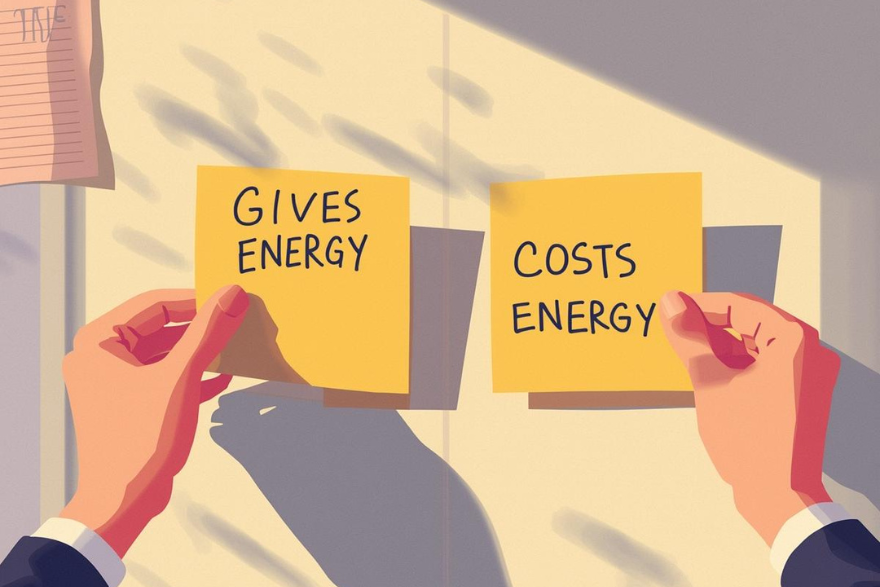
Many leaders can describe what their team members do. Strong leaders also name what gives each person energy while they do it. That difference matters as teams settle into the rhythm of a new year and expectations lift quickly.
Spotting strengths at work is a practical leadership habit. It helps you see what is authentic and energising about someone, then use that insight to shape better one-to-one conversations, clearer development conversations, and more sustainable performance across the year.
A person can be skilled, reliable, and high performing, and still experience a high energy cost in work that looks impressive on paper. Spotting strengths adds an energy lens.
In workplace terms, a strength has two features:
This approach supports wellbeing and performance together. It builds capability that lasts. You may also hear this described as strengths spotting, meaning the skill of seeing what someone does well and what gives them energy.
The quality of the question shapes the quality of what you hear. Strengths show up in stories, and real examples bring the detail to life.
Try these in a one-to-one, coaching session, or team check-in:
For a new year reflection that feels grounded:
Strengths are often visible. Leaders who build this habit learn to trust what they observe, then check it with a simple follow-up question.
When someone is speaking from a strength, you will often notice:
A short follow-up question can confirm what you are seeing:
Some tasks are completed to a high standard and still carry a high energy cost. These are often learned behaviours. Someone has built competence, and the energy return stays low.
This matters because learned behaviours can become a quiet pathway to reduced sustainability. This becomes more likely when someone is repeatedly recognised for work with a high energy cost, because managers often allocate more of it with positive intent.
A simple check helps:
✔️ After you finish that work, do you feel energised, steady, or depleted?
✔️ If your calendar filled with this work for a month, what would happen to your focus and motivation?
This is a kinder and more accurate way to talk about sustainability than labelling tasks as good or bad.
A leader may write excellent reports, deliver on time, and receive strong feedback. Their manager sees capability and increases the workload.
Over time, the leader procrastinates, stays late, and experiences reduced momentum. Capability remains strong. The lever is energy. Writing may sit in learned behaviour territory: performed well and energy costly over time.
A strengths-based response keeps performance high and supports sustainability:
This habit is valuable in recruitment because it improves role-fit decisions and strengthens long-term engagement.
In interviews, ask for real examples, and listen for:
Useful prompts:
This becomes easier when it is part of the rhythm.
Try this fortnightly check-in:
In five minutes, teams learn to name energy, work design, and capability in a way that feels practical and psychologically safe.
Spotting strengths supports psychosocial safety because it changes how leaders see people and how teams talk about work.
It leads to:
Performance lifts too, because teams move faster when energy is protected and capability is used wisely.
Both emotional intelligence and strengths shape how people think, feel and perform at work. When leaders understand and measure these capabilities, they can build cultures that support confident, capable and energised performance.
Strengths Profile is a world-leading assessment that measures how people use their energy and capability across 60 strengths. It looks at three dimensions - energy, performance and use - providing a more complete picture of what people bring to work.
Through the accreditation, you will explore:
This accreditation is delivered virtually by our very own CEO and Founder, Sue Langley, across four half-day workshops designed for interaction, reflection and practice.
Emotional intelligence sits at the heart of effective leadership, communication and decision-making. The Mayer-Salovey-Caruso Emotional Intelligence Test (MSCEIT®2) measures emotional intelligence as an ability - not a self-report - offering a credible way to assess and develop emotional skill.
The program builds a deep understanding of how to:
Sessions are interactive, combining theory, case work and reflective practice.
Request the MSCEIT®2 course guide to explore how emotional intelligence can enhance your professional impact.
Explore how our science-backed courses and tools can support you or your team to flourish. Whether you are starting your journey or deepening your expertise, Langley Group is here to help you thrive.
👉 Discover our upcoming programs
📩 Subscribe to our newsletter for practical tips and the latest research
🔗 Contact us to talk about what's possible for you or your organisation
Let's create positive change - together!
Self improvement is no longer just something we choose. It is increasingly built into how we work....
Most people already know what helps wellbeing.
Teams rarely lift standards through policy.